Tiny Ant, Mighty World
Discovering Nature, Teamwork, and the Secret Life of Ants
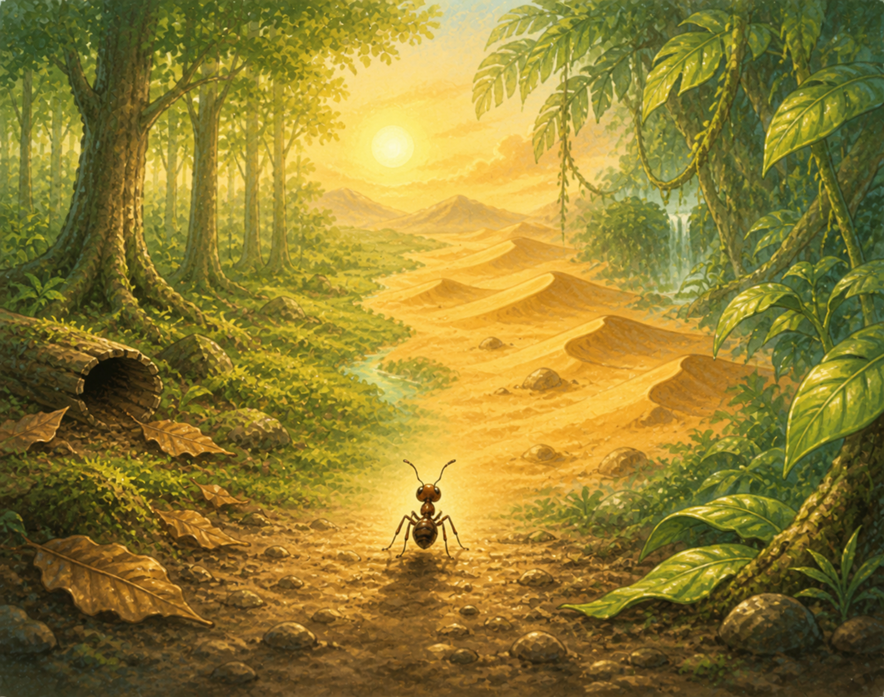
Follow Pip, a tiny ant with a mighty spirit, as she explores her colony and discovers how ants build, work together, help the Earth, survive in different habitats, and live alongside people.
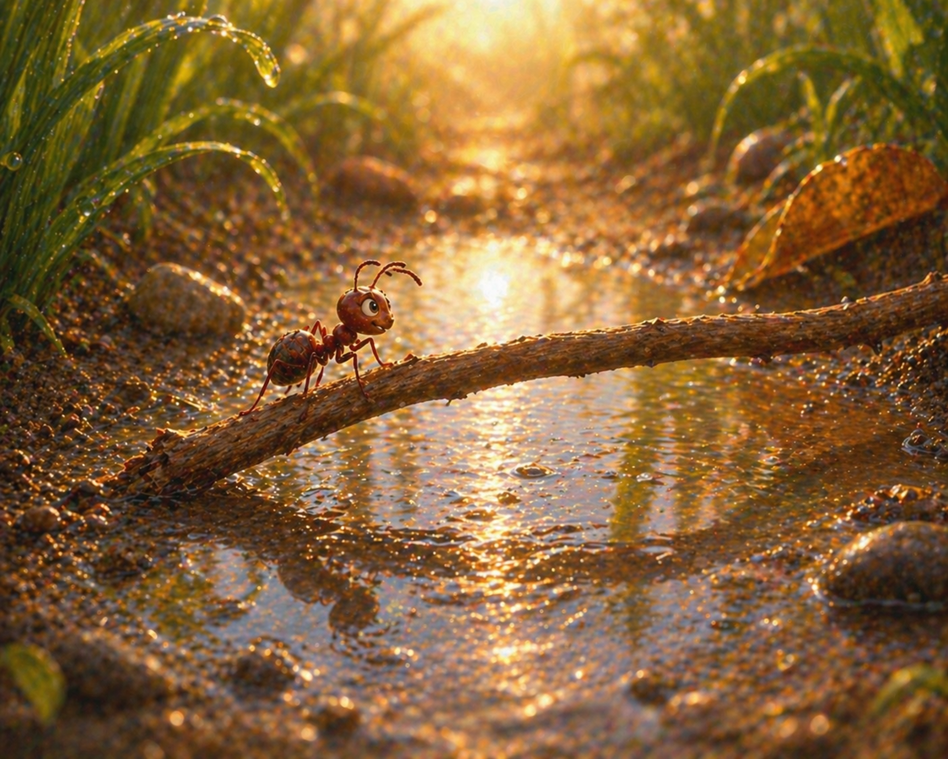
A tiny creature with a big story
The manuscript blends lyrical storytelling with educational content. Through Pip's journey, young readers encounter ant body parts, colony roles, life cycles, underground homes, teamwork, ecosystems, habitats, special ant families, and ways to be a good neighbor to nature.
Ant Biology
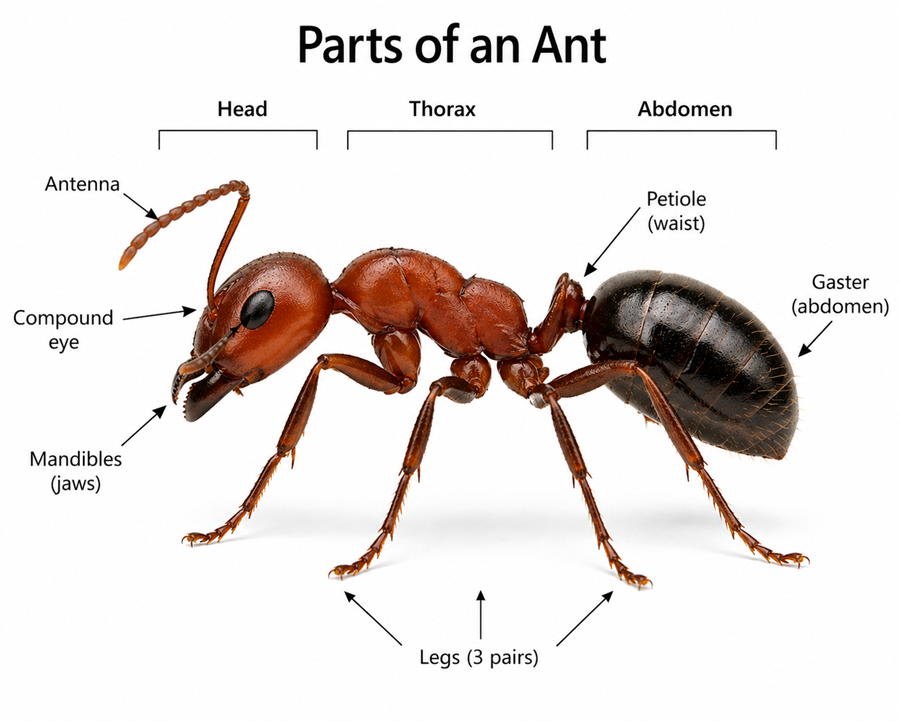
Explore antennae, mandibles, thorax, abdomen, exoskeleton and spiracles.
Colony Life
Discover queens, workers, soldiers, chambers, tunnels and shared jobs.
Nature & Ecology
See how ants interact with soil, seeds, plants and their wider environment.
Life Lessons
Use Pip's world to explore courage, patience, teamwork, kindness and responsibility.
One small ant. A whole world to discover.
Pip begins with a simple challenge: a drop of water that looks enormous from an ant's point of view. As she moves through her world, readers discover that small does not mean weak. Her journey continues underground and above ground, revealing how ants organize their homes, care for young, carry food, communicate, work as teams, support plants, and adapt to different environments. “Be small, be kind, work hard, help all.”
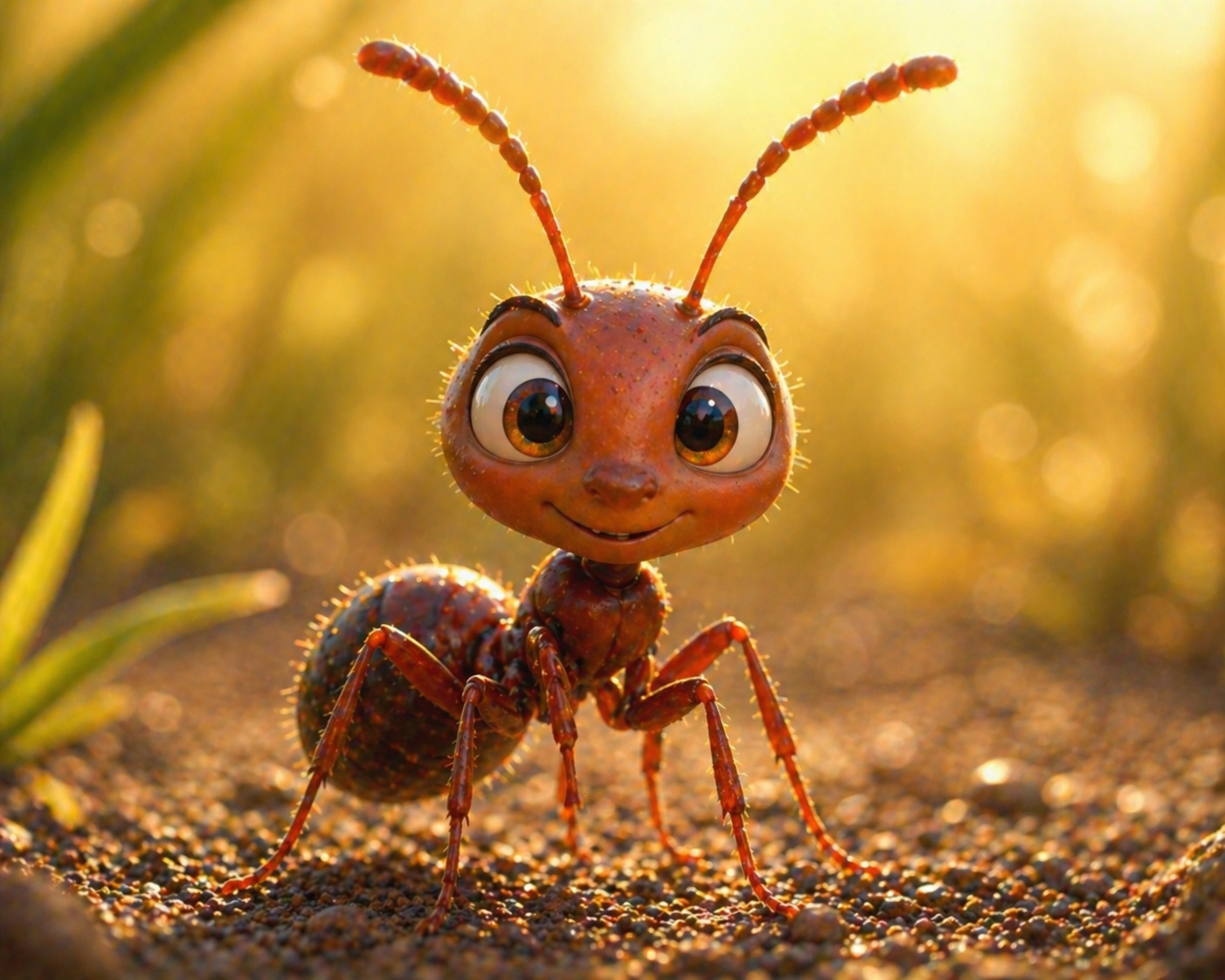
What readers discover
The manuscript's chapters move from an individual ant's body and life cycle to colony systems, ecosystems, habitats, remarkable ant families, personal lessons and respectful coexistence with nature.
01 · Tiny but Mighty
02 · A Tour of an Ant's Body
03 · Meet the Ant Family
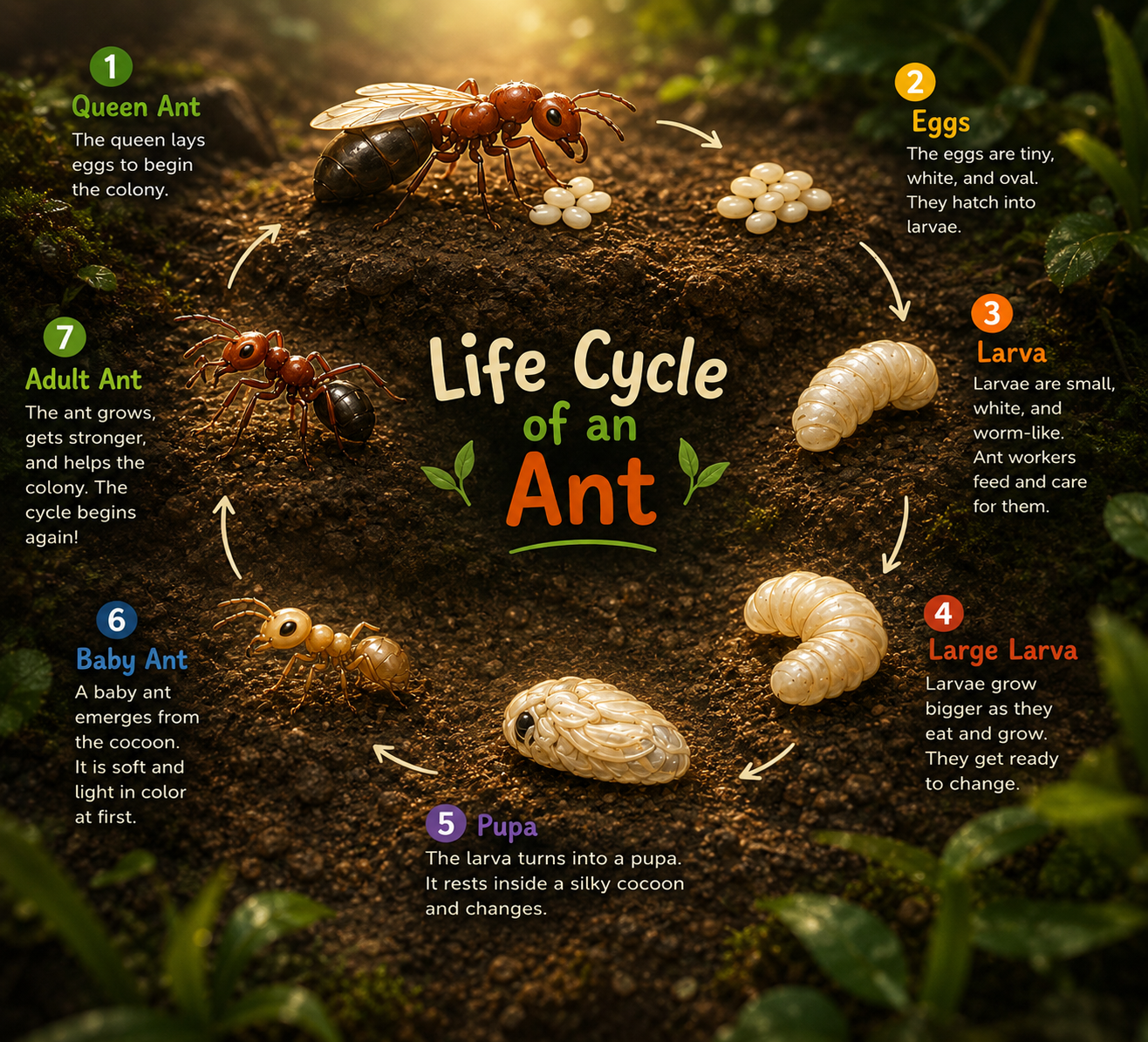
04 · From Egg to Ant
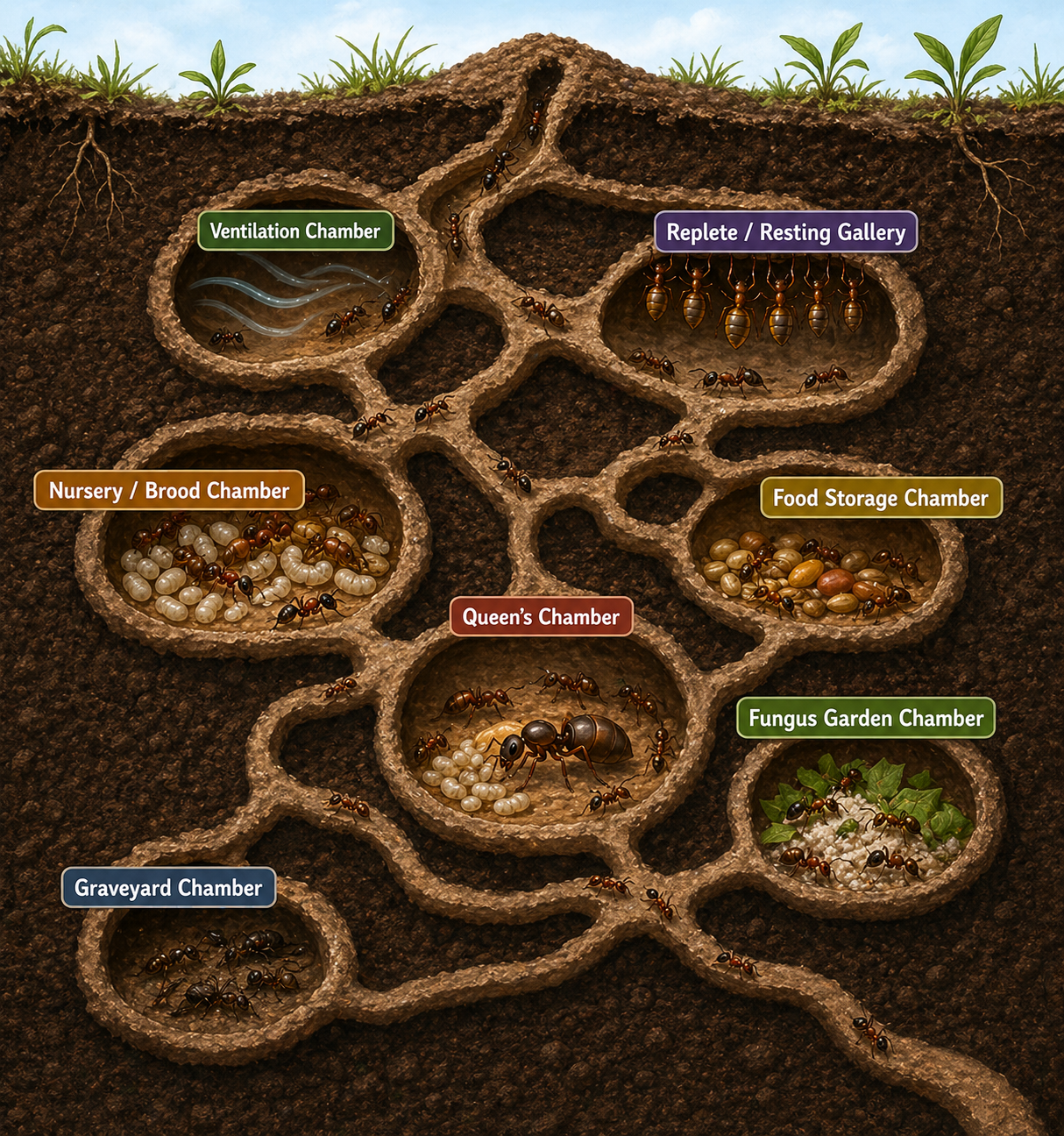
05 · The Underground City
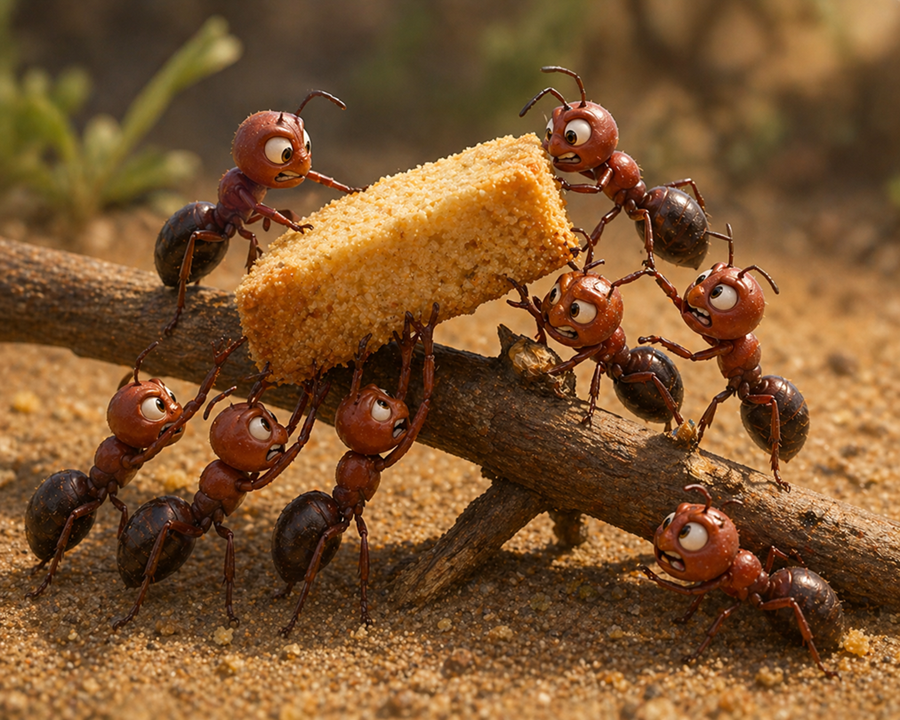
06 · Teamwork Superpowers
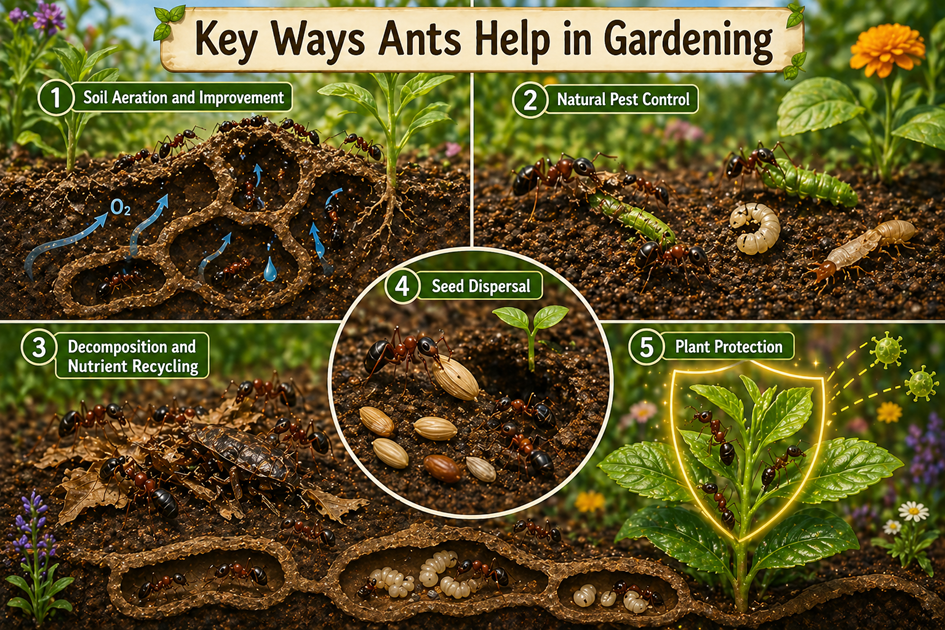
07 · Garden Helpers of the Earth
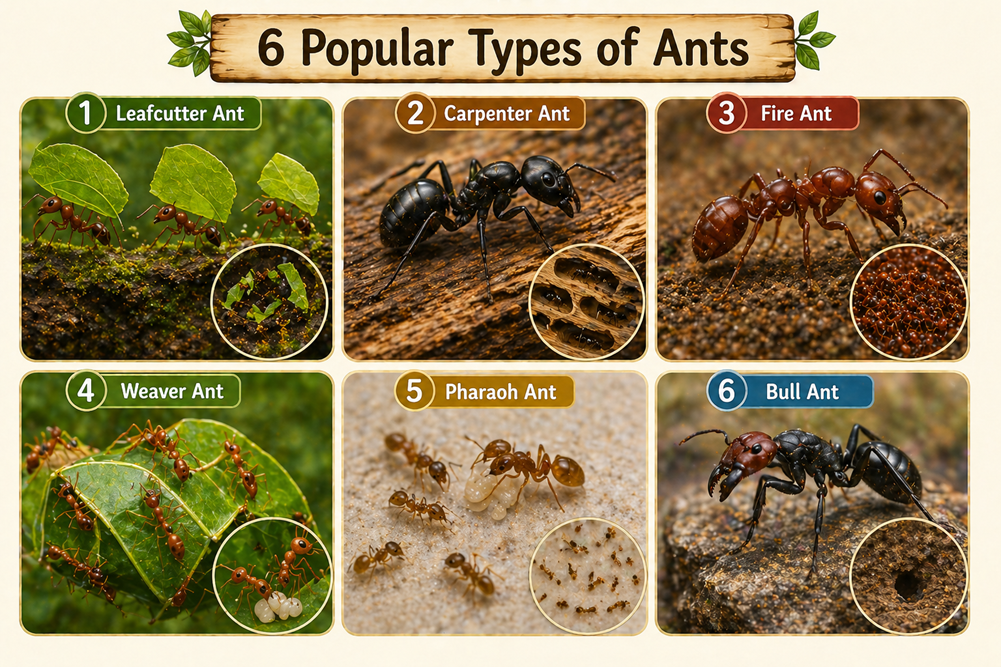
08 · Famous Ant Families
09 · Where Ants Live Around the World
10 · Lessons from Little Feet
11 · Being a Good Neighbor to Ants
Storytelling meets science
Skills supported by the book
The included Teacher Guide identifies science, literacy and social-emotional learning goals for young readers.
A built-in learning companion
The manuscript includes a Teacher Guide with lesson planning, vocabulary, classroom activities, assessment questions, curriculum connections, teaching tips and chapter-wise questions.
5-Day Lesson Plan Introduction and Chapter 1; Chapters 2–3; Chapters 4–5; Chapters 6–8; Chapters 9–10 plus wrap-up. Classroom Activities Ant Observation Walk, Teamwork Challenge, Build an Ant Colony, and Vocabulary Match Game. Assessment Multiple-choice questions and short-answer questions covering communication, colony roles, soil and teamwork. Curriculum Connections US NGSS simplified alignment: animal structures and functions, life cycles, and ecosystem interactions. EU Primary Science: living things and habitats, basic biology, and environmental awareness. Teaching Tips Pause for predictions, use visual diagrams, connect lessons to real-life observations, and encourage discussion rather than answers alone.
Key vocabulary
Words children can learn
Md. Atique Ullah Siddique
Md. Atique Ullah Siddique is an author dedicated to creating educational and engaging books that support learning and personal growth. A significant part of his work focuses on children's education, where he combines storytelling with simple learning concepts to help young readers explore language, science, nature, and everyday life. His writing for children emphasizes curiosity, creativity, and discovery. Through playful stories, rhythmic language, and imaginative characters, he aims to make learning enjoyable and accessible for early readers. His books are designed to encourage children to develop a love for reading while building foundational knowledge and confidence in learning. In addition to children's learning materials, his writing also reflects an interest in personal development, mental well-being, and family guidance. Across all of his work, he seeks to present ideas in a clear and practical way so readers can connect with them easily. Md. Atique Ullah Siddique believes that books can play an important role in shaping young minds. Through thoughtful storytelling and educational themes, he hopes to inspire curiosity, kindness, and a lifelong appreciation for learning.
More about the author
Be small. Be kind. Work hard. Help all.
A nature and science story designed to encourage curiosity, teamwork, empathy and respect for the living world.
Get Tiny Ant, Mighty World